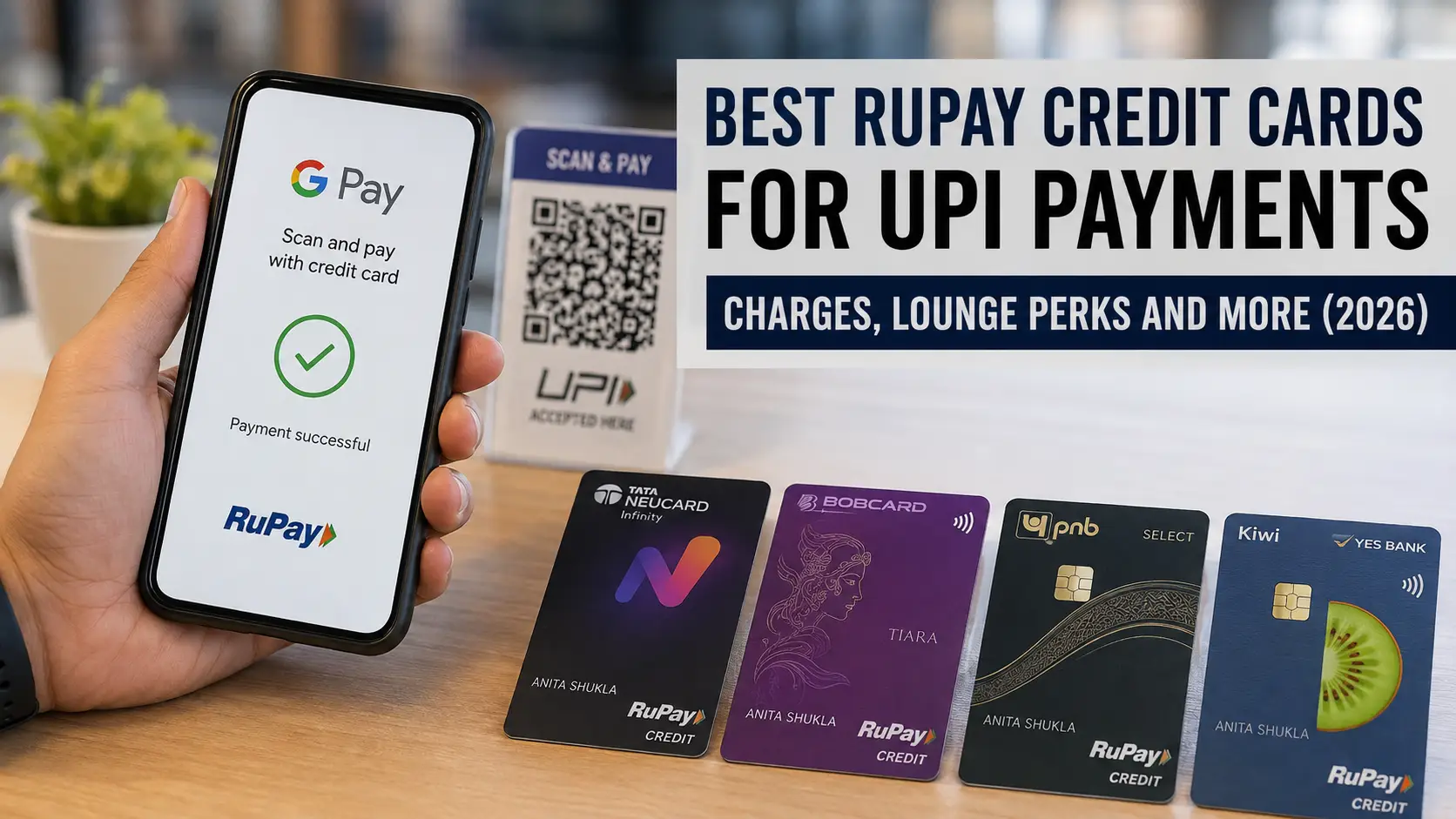
I still remember the first time someone told me my credit card could scan a UPI QR code. I didn’t believe it. Wasn’t UPI just for bank balances and Paytm wallets? Turns out no, and once RuPay credit cards got plugged into UPI, a lot of us quietly changed how we pay for chai, groceries, cab rides, the works. You get your interest-free window, plus rewards on spends that used to just sit on a debit card earning nothing.
So if you’re searching for the best RuPay credit cards for UPI payments, you’re probably stuck on two things. Does crossing ₹2,000 in a UPI payment suddenly cost you extra? And which card actually gets you into an airport lounge without demanding you spend like a company director every quarter? Let’s sort both out, then get into the cards.
Why Bother Linking a RuPay Credit Card to UPI
Simple enough on the surface. Link your card to GPay, PhonePe, whatever app you use, and pay via QR with your credit line instead of touching your bank balance. Groceries, food delivery, fuel, all of it starts earning cashback or points instead of nothing.
One limit though, and it trips people up: this only works for P2M, person-to-merchant. You can’t use it to send a friend money or settle a dinner split. That’s still P2P territory, and it runs through your bank account, not your credit card.
The ₹2,000 Question Everyone Asks
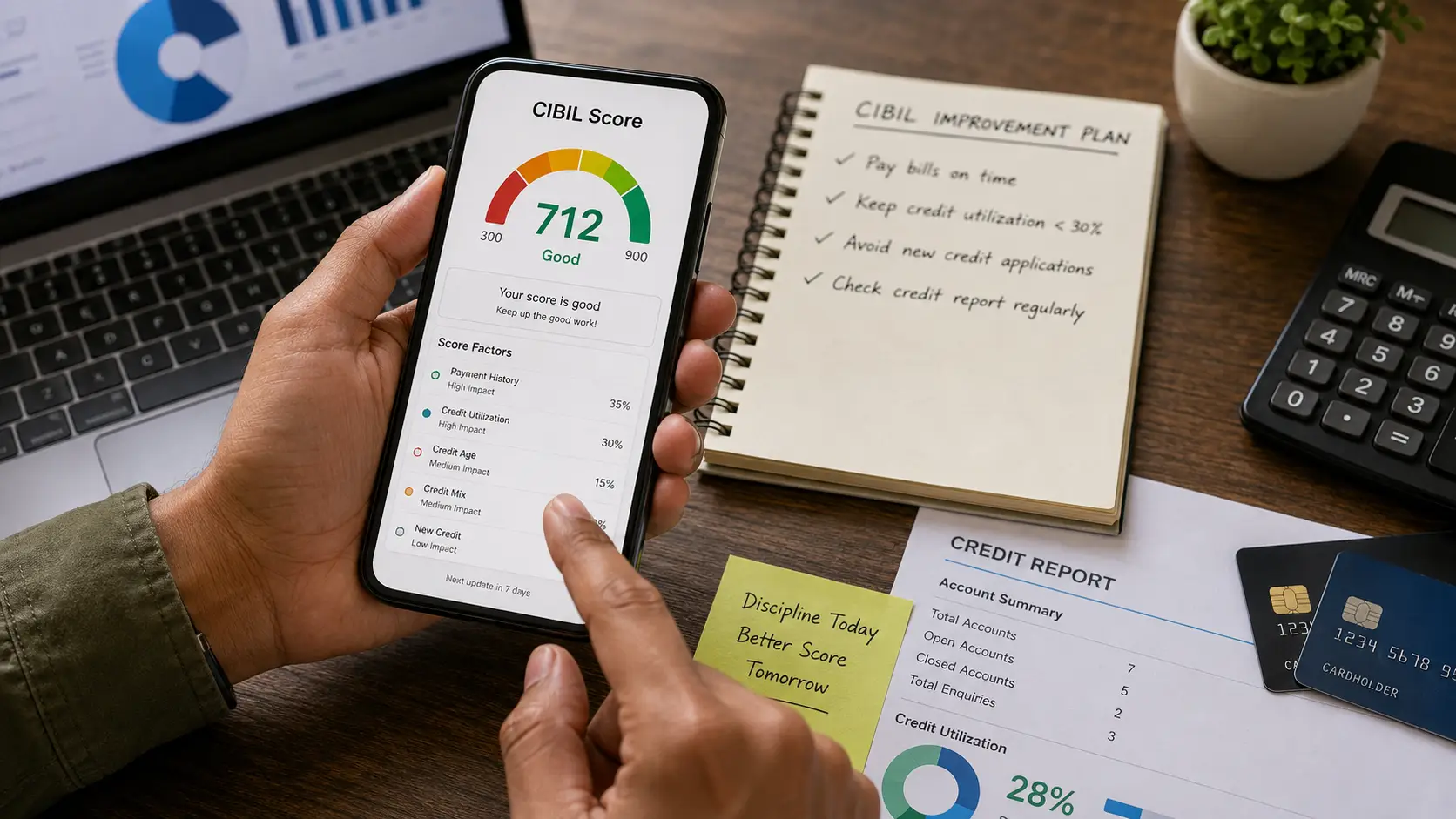
Here’s the thing nobody explains properly. Up to ₹2,000 at small offline merchants, UPI payments carry zero MDR. Cross that ₹2,000 mark and yes, an MDR (Merchant Discount Rate) kicks in, but it comes out of what the merchant receives at settlement. Not your bill. Pay ₹5,000, you’re charged ₹5,000. The shop just nets a little less after the bank and network take their cut.
There’s a wrinkle worth knowing about. Some smaller merchants tack on a convenience fee right at checkout, before you punch in your PIN. It shows on screen, you see it, you can walk away from the payment if you don’t like it. That’s the merchant’s call though, not something NPCI mandates, and it’s far from everywhere.
Bottom line: no bank sneaks in a charge once you cross ₹2,000. If you’re paying extra, it’s the merchant, and you’ll see it coming.
The Cards Worth Looking At in 2026
Quick heads up before the list. Lounge access on most of these isn’t a simple “own the card, walk in” deal anymore. Banks have started gating it behind quarterly spend, so read past the marketing line about “8 free visits a year.”
Tata Neu Infinity HDFC Bank Credit Card
Good fit if you’re already buying from BigBasket, Croma, or 1mg, since Tata-brand spends earn 5% back in NeuCoins. Regular UPI Scan and Pay gets you 1.5% back, capped at 500 NeuCoins a month.
The lounge number looks great at first glance. 8 domestic visits a year, 4 international. But there’s a catch tied to it: you need ₹50,000 in spend the previous quarter to unlock the next one’s visits. Fall short, and the free entries just pause.
Annual fee: ₹1,499
BOBCARD Tiara
Women-only card from Bank of Baroda, and I mean strictly enforced, not a checkbox on the form. Unlimited domestic lounge access is the headline feature, and it also throws in wellness perks like discounted mammogram and pap smear packages, which honestly isn’t something you see on most Indian credit cards.
Keeping that unlimited lounge access alive means ₹40,000 in quarterly spend. You earn 15 points per ₹100 on travel and dining, though UPI rewards cap out at ₹500 a billing cycle. You’ll also need to clear an income bar of roughly ₹7.2 lakh annually to even qualify.
Annual fee: ₹2,499
PNB RuPay Select
This is the one I’d point a budget-conscious friend toward. Domestic and international lounge access, and the ₹500 annual fee gets waived if you use the card even once a quarter. So if you’re not a heavy spender but still want the lounge perk, this quietly does the job for free.
Annual fee: ₹500 (waived with quarterly usage)
Kiwi RuPay Credit Card (Yes Bank)
Not built for frequent flyers, built for the person who scans a QR code five times a day. Lifetime free, 1.5% cashback on UPI Scan and Pay, and lounge access unlocks in steps as you cross ₹50,000, then ₹1 lakh, then ₹1.5 lakh in annual spend.
Annual fee: Nil
Quick Comparison
| Card | Annual Fee | Lounge Access | UPI Reward Rate | Best For |
|---|---|---|---|---|
| Tata Neu Infinity (HDFC) | ₹1,499 | 8 domestic + 4 international (spend-gated) | 1.5%, capped at 500 NeuCoins/month | Tata ecosystem shoppers |
| BOBCARD Tiara | ₹2,499 | Unlimited domestic (spend-gated) | Capped at ₹500/cycle | Frequent-flying women |
| PNB RuPay Select | ₹500 (waivable) | Domestic + International | Standard reward points | Budget lounge access |
| Kiwi (Yes Bank) | Nil | Milestone-based (₹50k/1L/1.5L) | 1.5% cashback | Everyday UPI spenders |
Frequent international traveller? Once your free quota runs out, extra Priority Pass visits usually run about US$27 plus GST each. That’s a network-wide rate, not something specific to any one card here.
Picking the Right One for You
Don’t chase the biggest lounge number on the page. Chase the one that matches how you actually spend.
Already shopping Tata platforms for groceries or gadgets? The Tata Neu Infinity basically pays for itself in NeuCoins. Travelling domestically most months and comfortable hitting ₹40,000 a quarter? The BOBCARD Tiara‘s unlimited lounge access is genuinely hard to top, if you’re eligible. Want lounge access but don’t want to commit to a fat annual fee? PNB RuPay Select is the safer bet, as long as you remember to swipe once a quarter. And if lounges aren’t really your thing and you just want cashback on daily UPI spends, the Kiwi card does that with zero fee pressure.
One last thing, be honest with yourself about eligibility before applying. The Tiara has an income floor and, as covered, a gender rule that isn’t negotiable. Applying anyway just means a rejected application and a hard inquiry sitting on your credit report for nothing.
FAQ
Do I have to pay extra for UPI payments over ₹2,000 with a RuPay credit card?
No. The MDR above ₹2,000 comes out of what the merchant receives, not your bill. Occasionally a merchant adds a convenience fee at checkout, but it’s shown on screen before you pay, and it’s their call, not a bank charge.
Which RuPay credit card gives international lounge access?
Tata Neu Infinity and PNB RuPay Select both offer it, though Tata Neu ties it to a quarterly spend requirement.
Can men apply for the BOBCARD Tiara?
No. It’s a women-only credit card, and the bank enforces this strictly.
Can I send money to a friend using a RuPay credit card on UPI?
No. It only works for P2M, merchant payments. Peer-to-peer transfers still need your bank account or a UPI-linked debit card.
Will my lounge access stop if I don’t spend enough in a quarter?
On most of these cards, yes. Next quarter’s lounge access usually depends on hitting a spend target in the current one, so don’t assume it just renews on its own.
Conclusion
The RuPay-UPI combo genuinely closes the gap between your everyday QR payments and a card that actually rewards you for them, and that ₹2,000 MDR rule isn’t the trap people online make it sound like, the merchant eats that cost, not you. What matters more is picking a card that fits your real spending, not the one with the flashiest lounge headline. Check the eligibility, especially income and, for the Tiara, gender, before you apply.